Overview
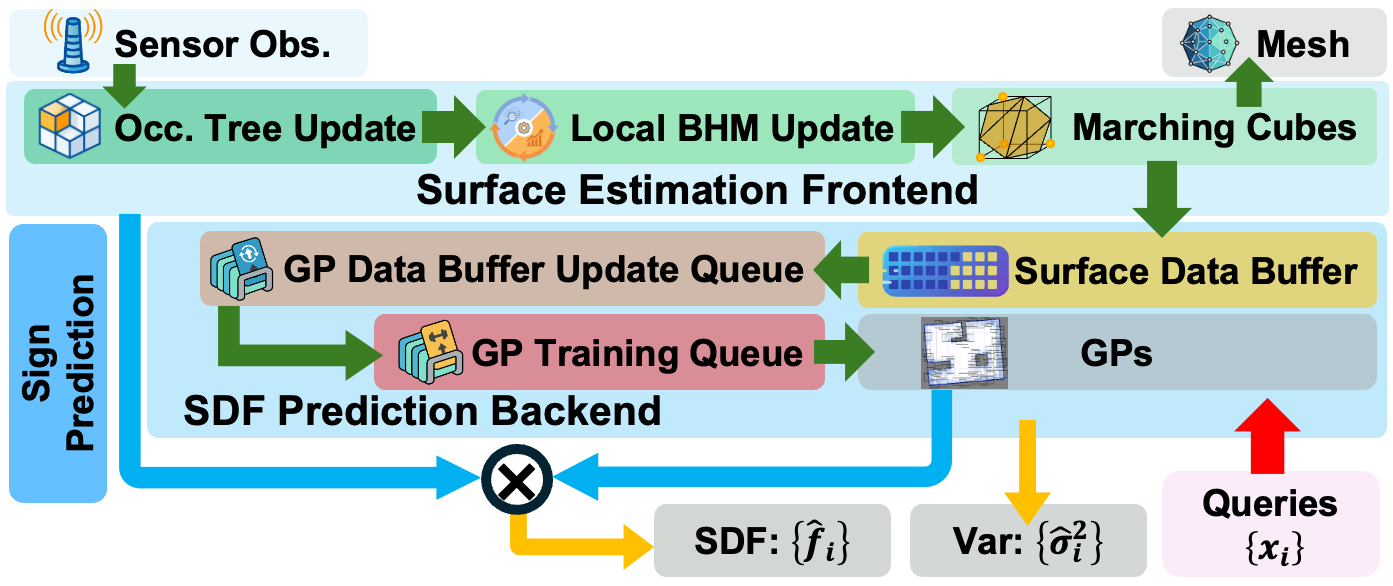
The SDF prediction back-end uses multiple GPs to learn the SDF from the surface points estimated by the front-end. Each GP is associated with a voxel in a hierarchical tree that partitions the space.
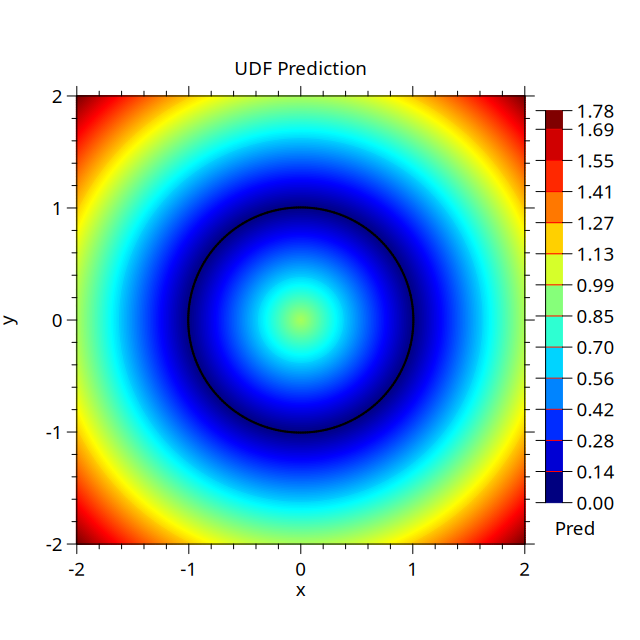
Given a set of surface points $\mathcal{D}_\text{surf}=\{ \mathbf{x}_i, \sigma^2_i \}_{i=1}^{N}$, where $\sigma^2_i$ is the uncertainty of the surface point $\mathbf{x}_i$ estimated by the front-end, we can train the corresponding GP for predicting the shortest distance $|d(\mathbf{x})|$ by regressing a surrogate function $f$, which should be monotonically decreasing with respect to the distance $|d(\mathbf{x})|$ to the nearest surface point, such that $f\rightarrow 0$ as $|d(\mathbf{x})| \rightarrow \infty$ and $f \rightarrow 1$ as $|d(\mathbf{x})|\rightarrow 0$, which is consistent with zero-mean prior GP regression that as the query point goes far away from the training set, the posterior mean goes to zero. With the trained GP, we can predict the unsigned distance $|d(\mathbf{x}_\ast)|=r(\hat{f})$, where $r(\cdot)$ is the inverse function of the surrogate function $f(\cdot)$. The sign of the SDF can be determined by querying the occupancy probability from the front-end BHM at the query point $\mathbf{x}_\ast$.
The role of the surface estimation front-end is to provide reliable estimates of on-surface points, their uncertainty, and optionally the corresponding normals. We use the Bayesian Hilbert map (BHM) for this purpose, although other front-ends may also be used.
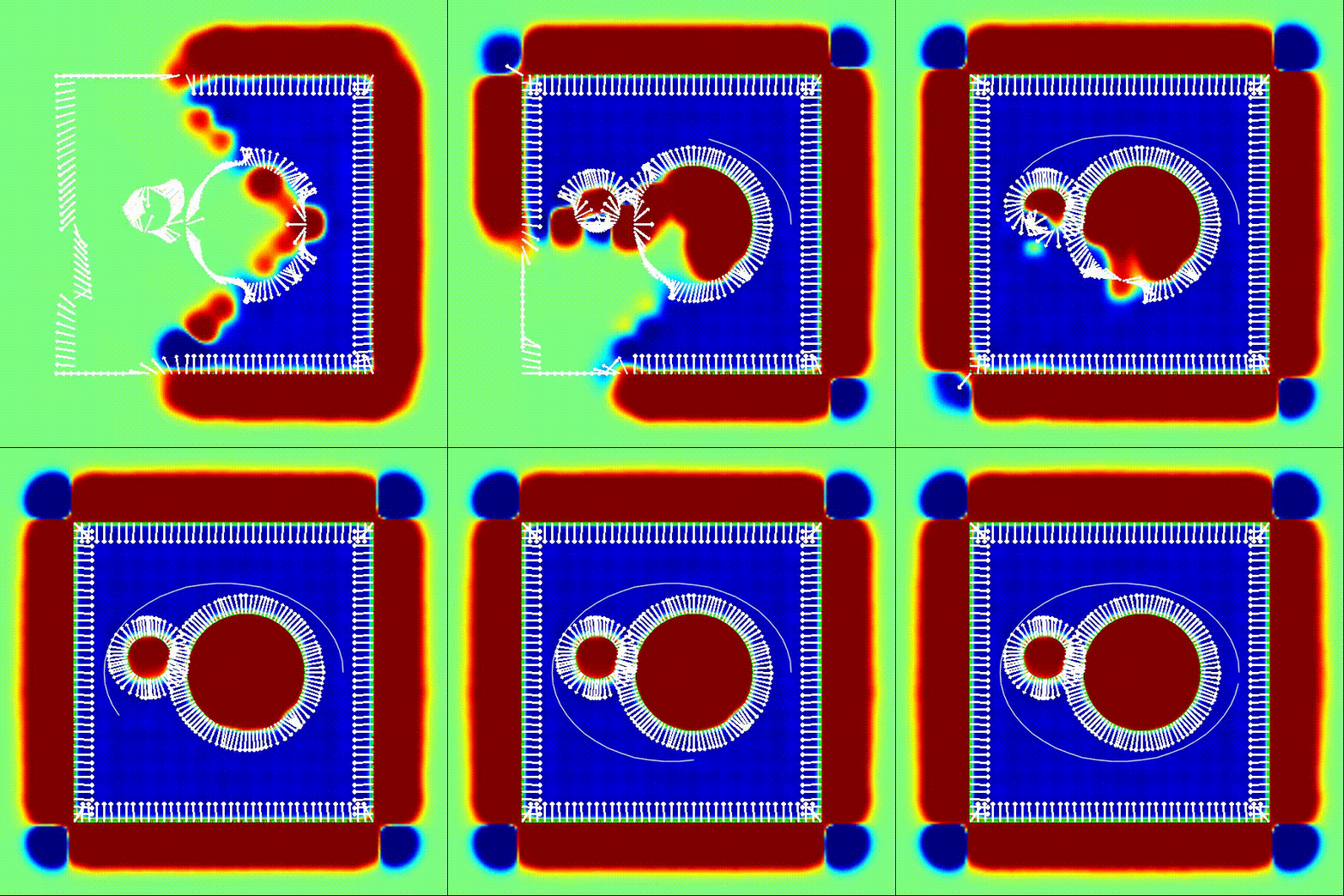
Given a dataset $\mathcal{D}_\text{BHM}=\{ \mathbf{x}_k, y_k \}_{k=1}^{K}$ is generated from the sensor measurement $\mathcal{S}_t=(\mathbf{R}_t, \mathbf{o}_t, \mathcal{P}_t)$ by sampling occupied samples as $(\mathbf{R}_t\mathbf{p}_i+\mathbf{o}_t, 1)$ and free-space samples as $(\lambda \mathbf{R}_t \mathbf{p}_i + \mathbf{o}_t, 0)$ for $\lambda \sim \mathcal{U}(0, 1)$ and $\forall \mathbf{p}_i \in \mathcal{P}_t$. We can update the BHM with an Expectation-Maximization algorithm, which enables incremental updates of the BHM. Hence, the BHMs can filter out sensor noise by combining multiple noisy measurements over time and adapt to dynamic changes in the environment.
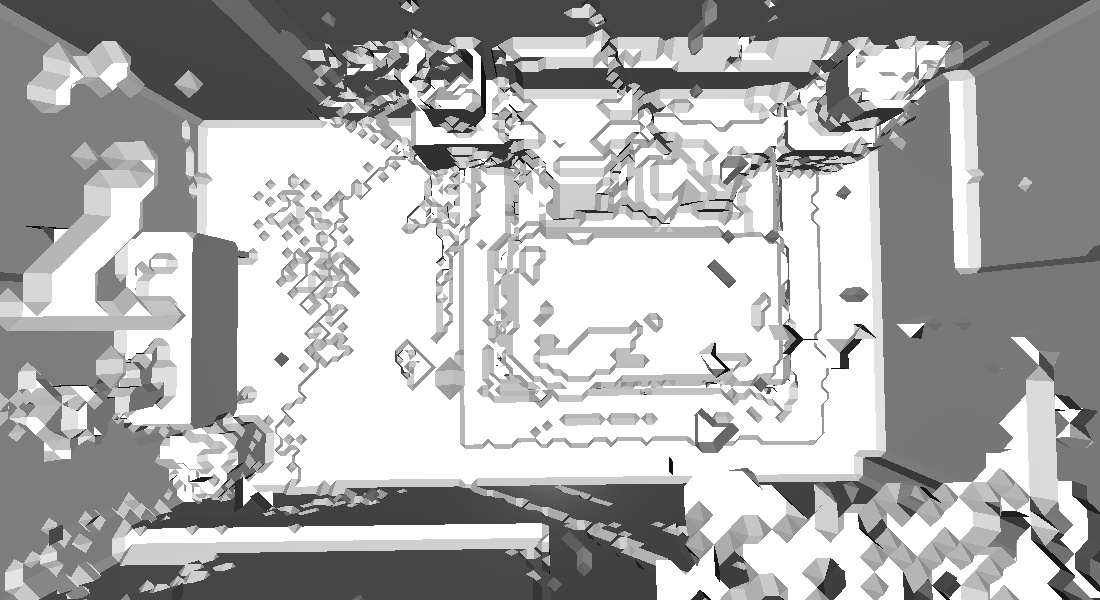
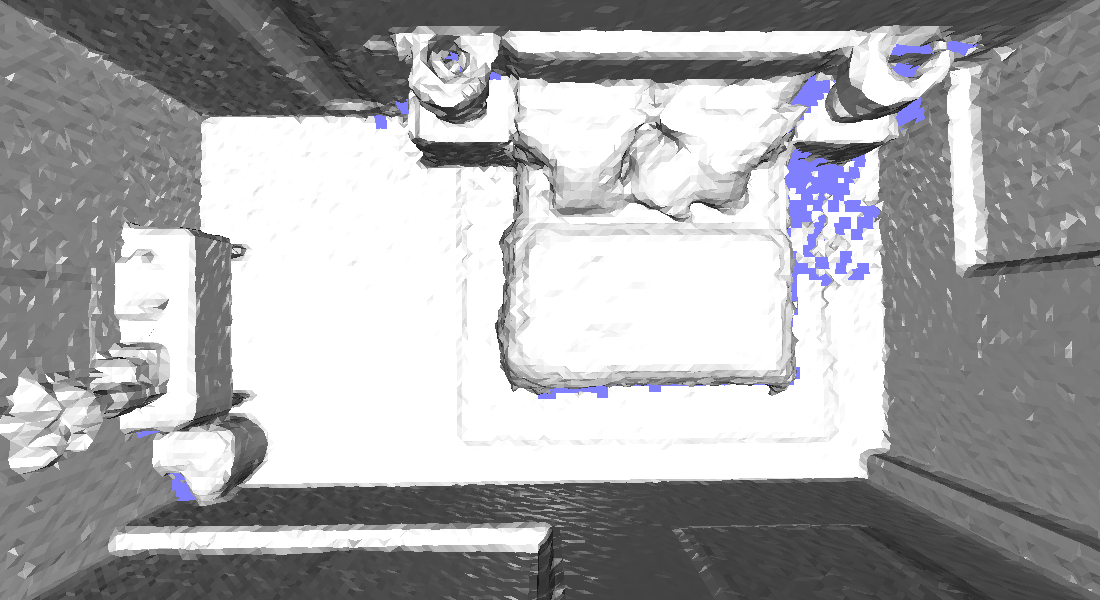
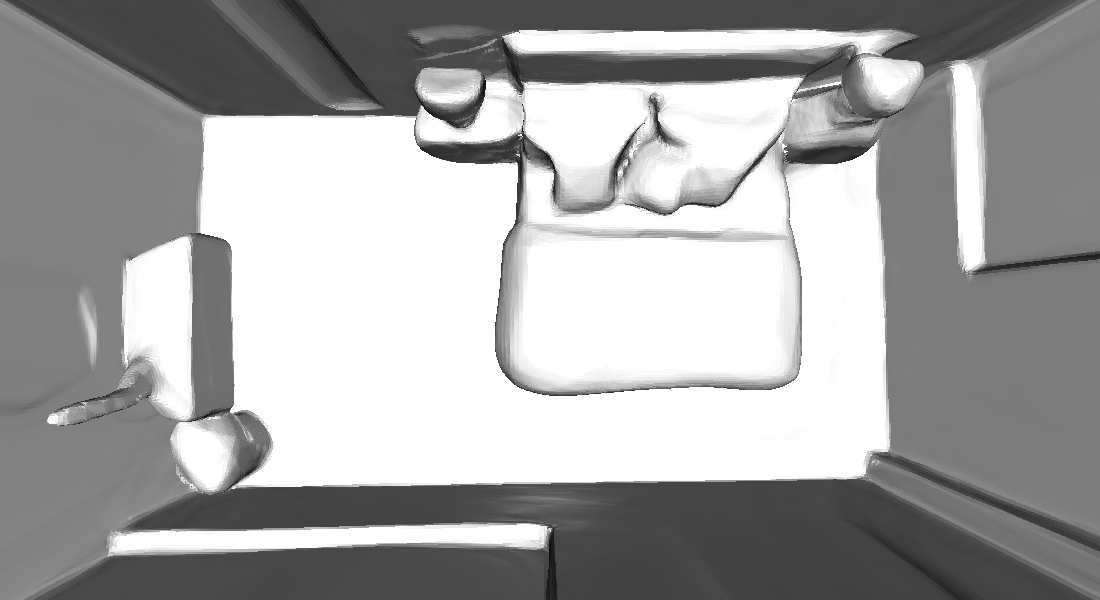
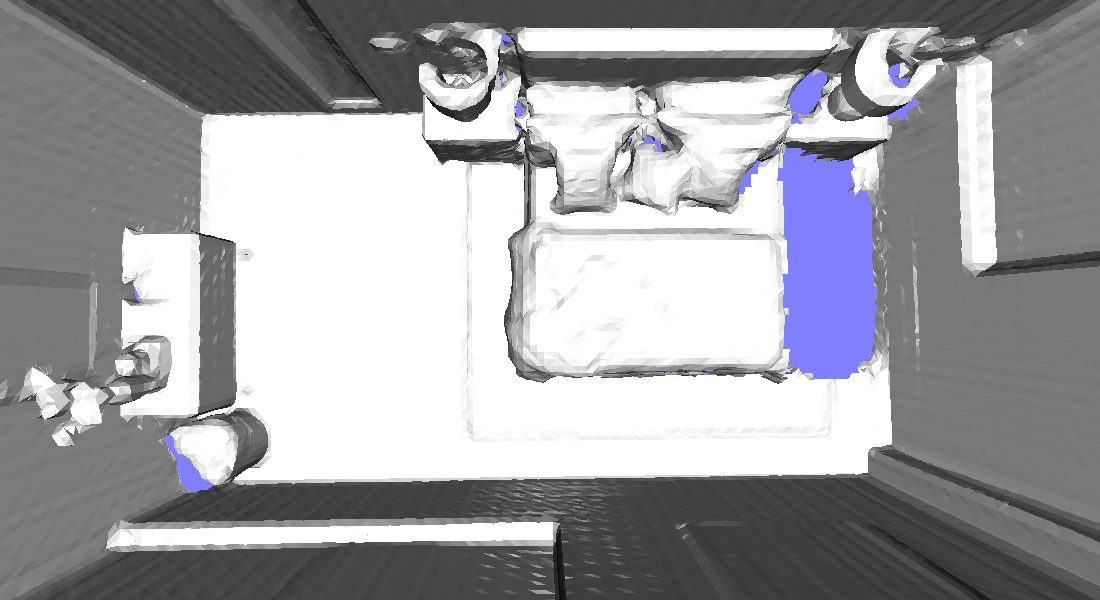
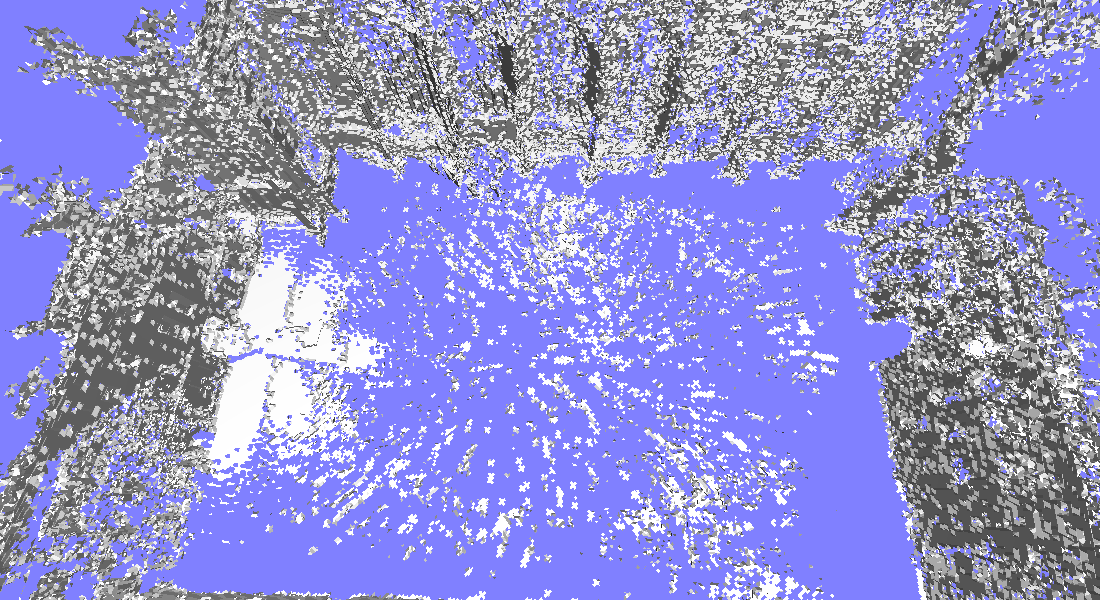
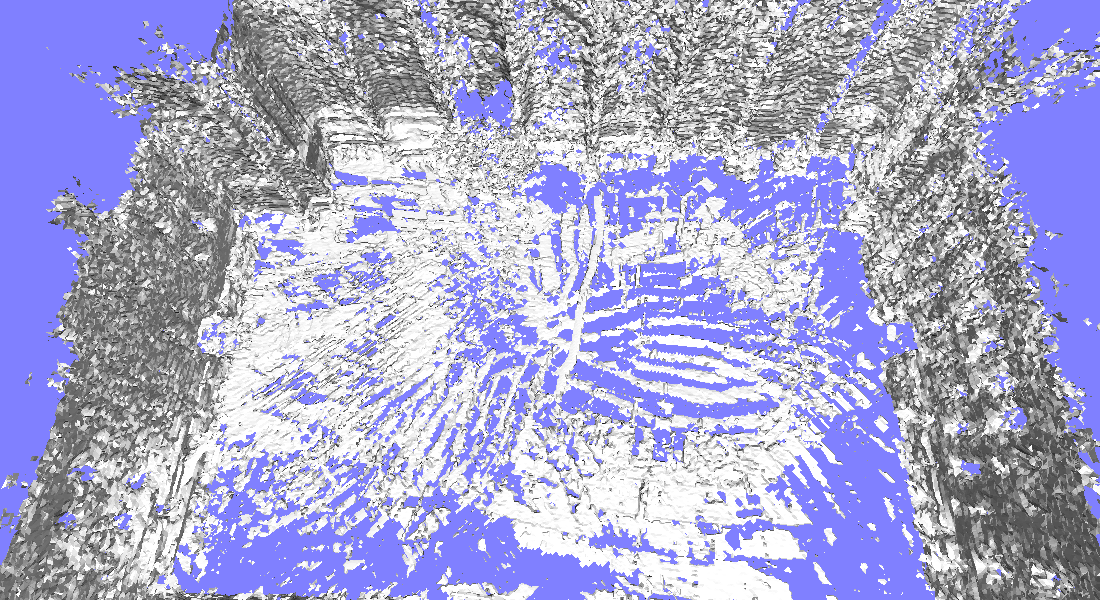
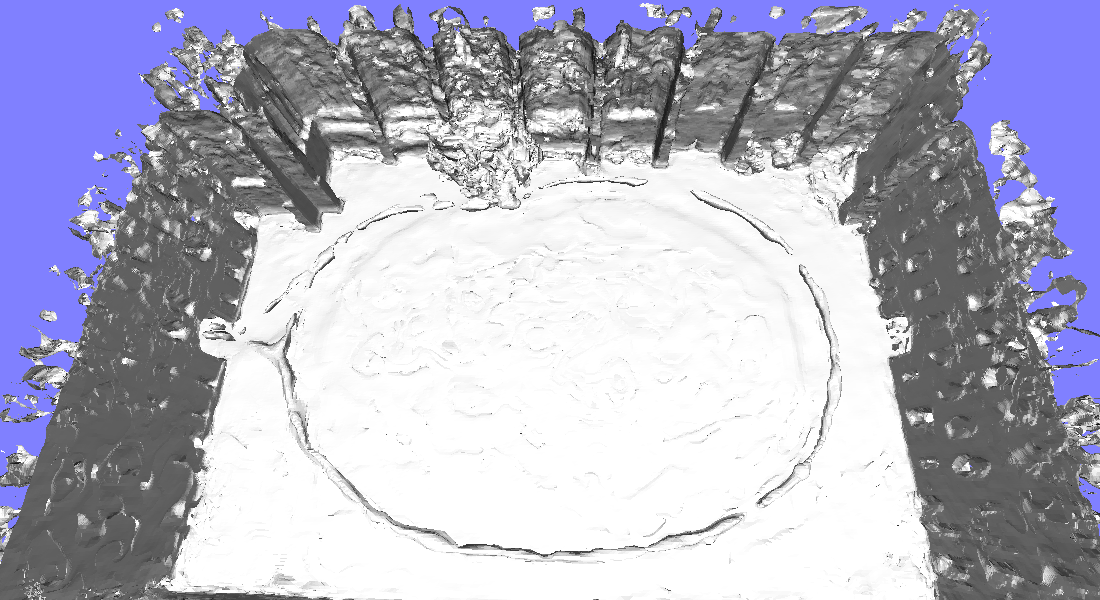
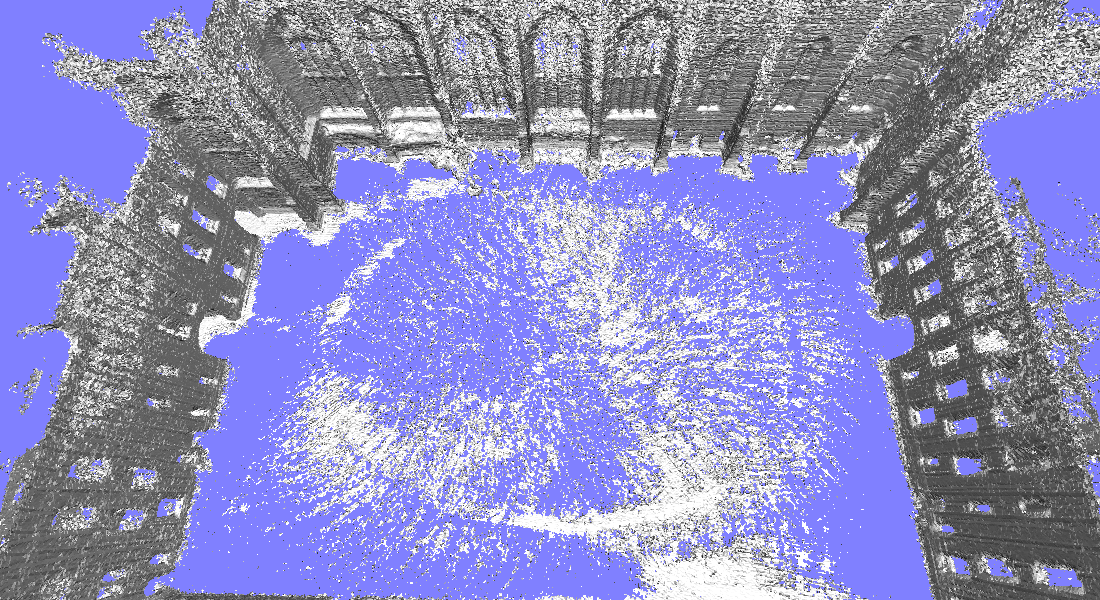
Ground Truth
Ours
FIESTA
Voxblox
iSDF
VDB-GPDF
Ground Truth
Ours
FIESTA
Voxblox
iSDF
VDB-GPDF
Ground Truth
Ours
FIESTA
Voxblox
iSDF
VDB-GPDF
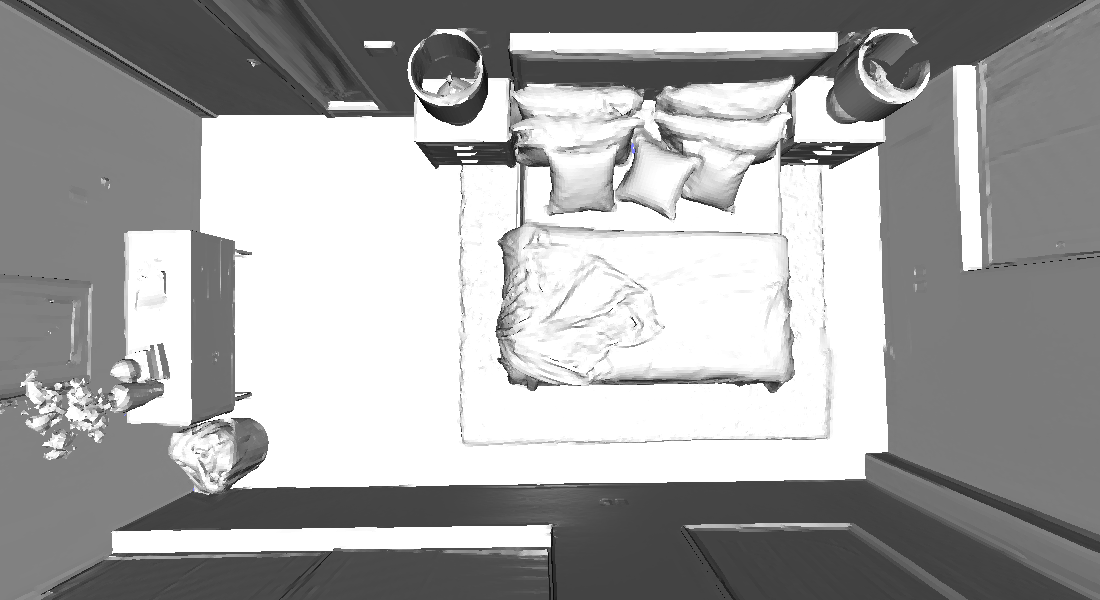
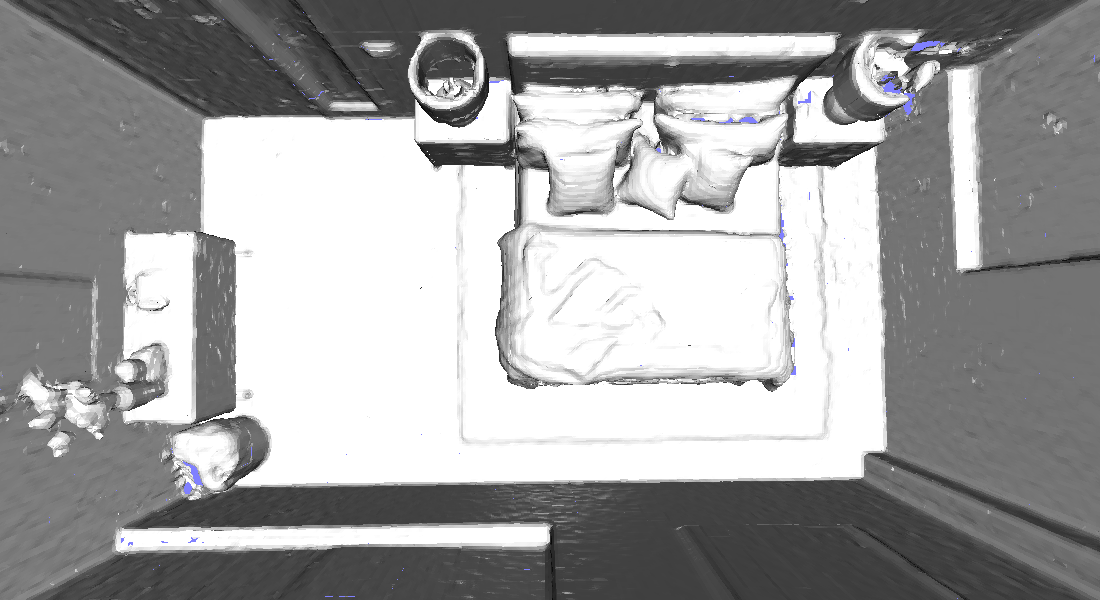
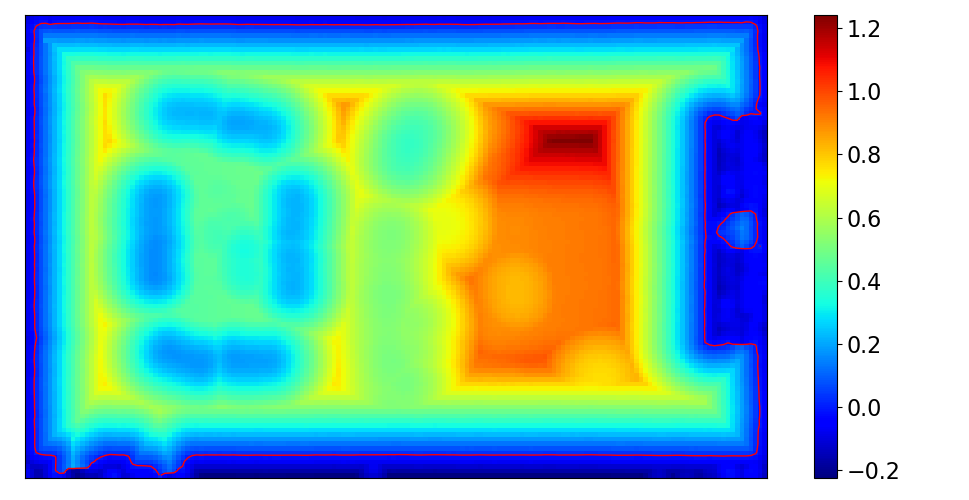
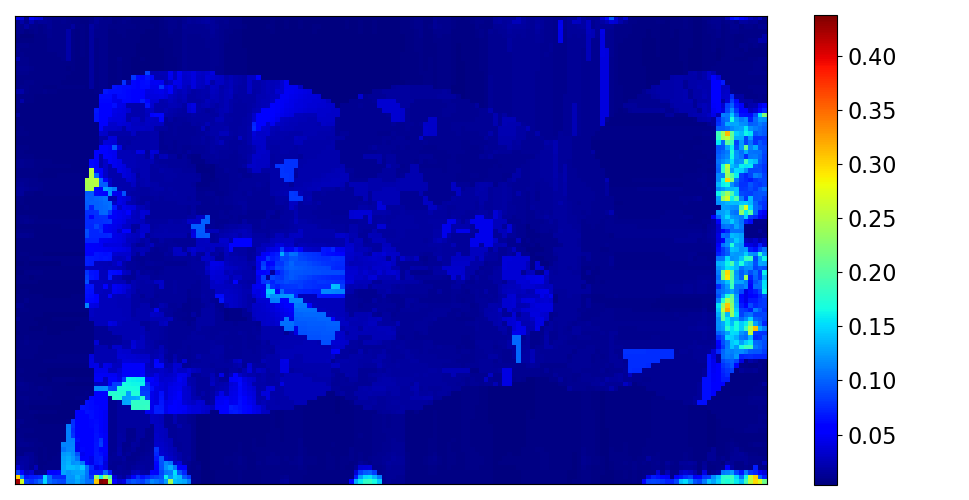
(a) Predicted SDF
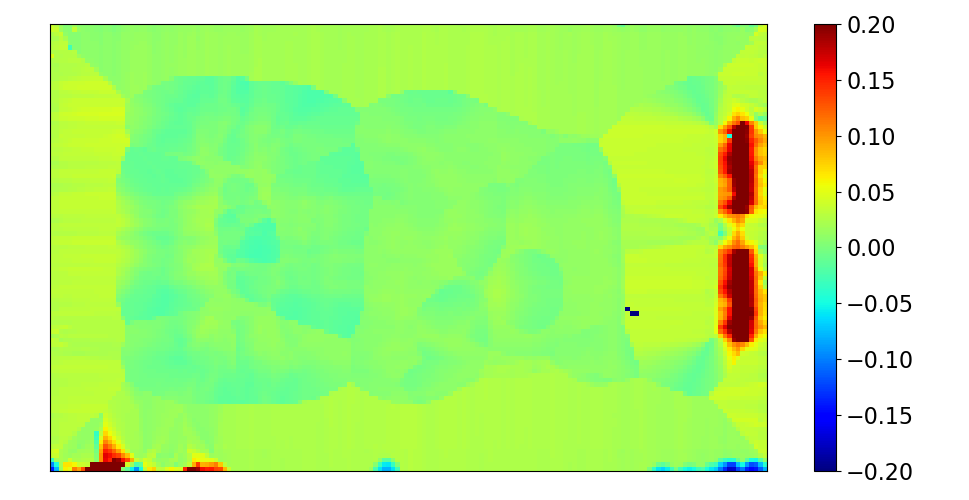
(b) SDF Error
(c) SDF Variance
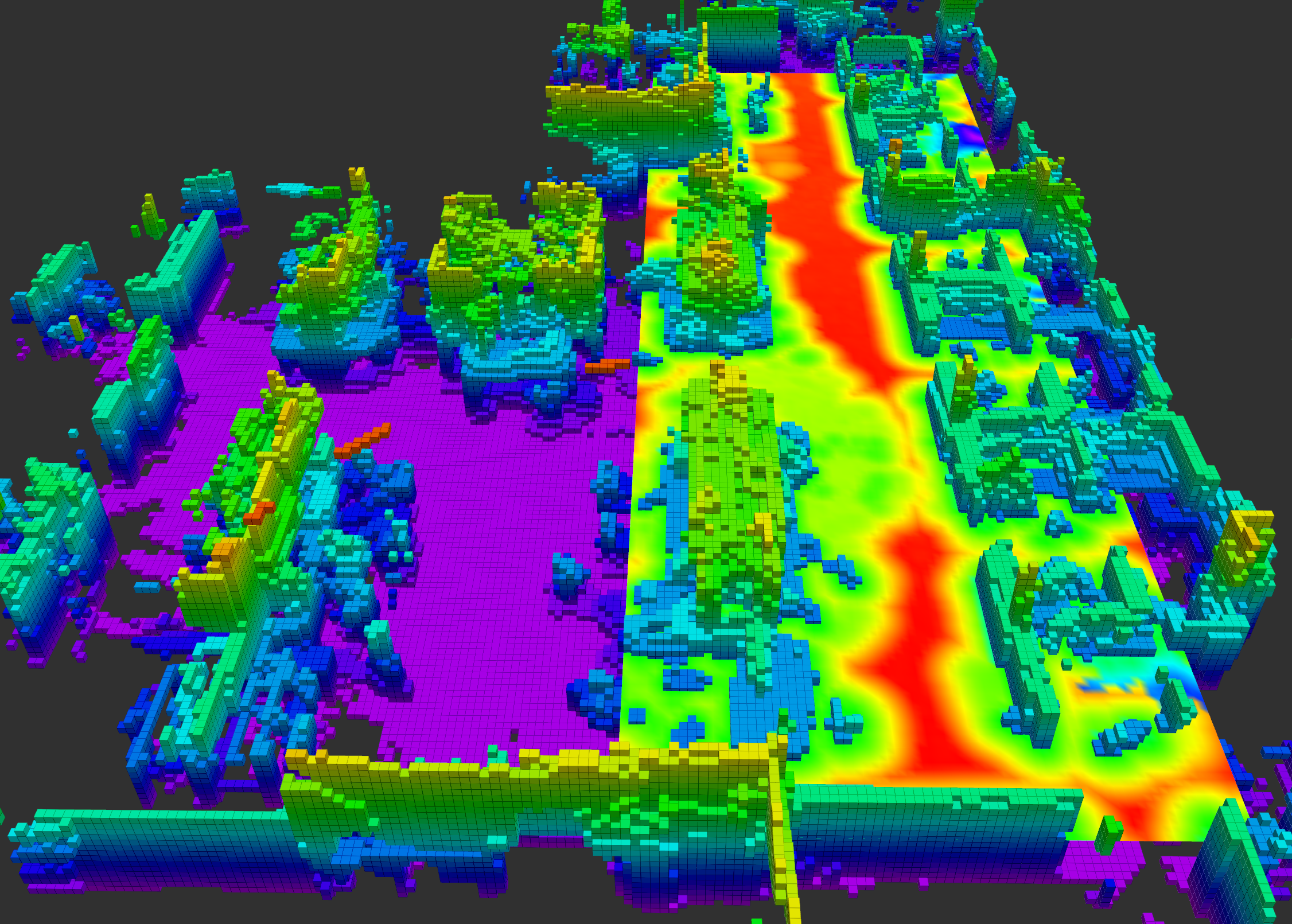
Office3, regions of higher SDF error coincide with regions of higher
estimated variance: (a) predicted SDF, (b) absolute SDF error against ground truth, and (c) estimated SDF
variance. This shows that Kernel-SDF effectively captures uncertainty.
Replica room0
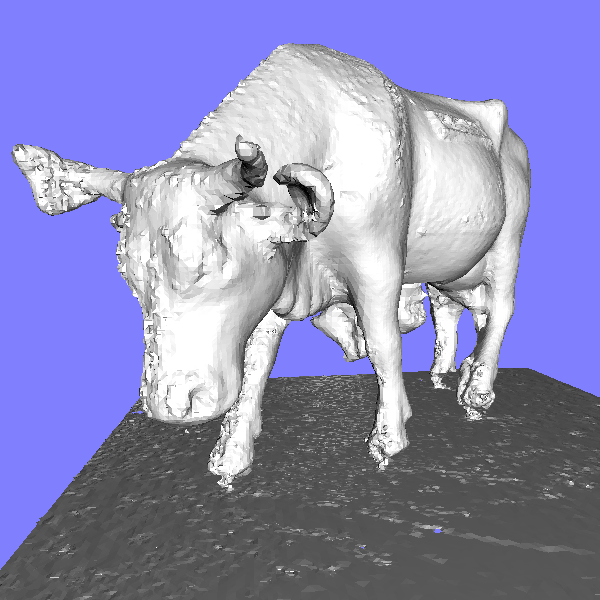
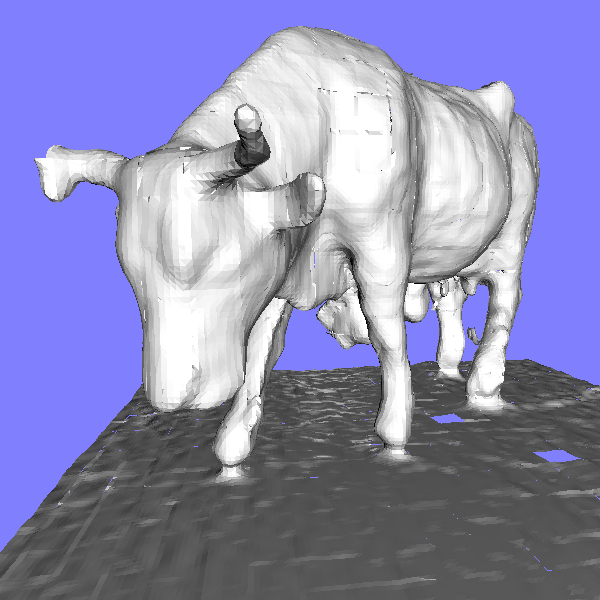
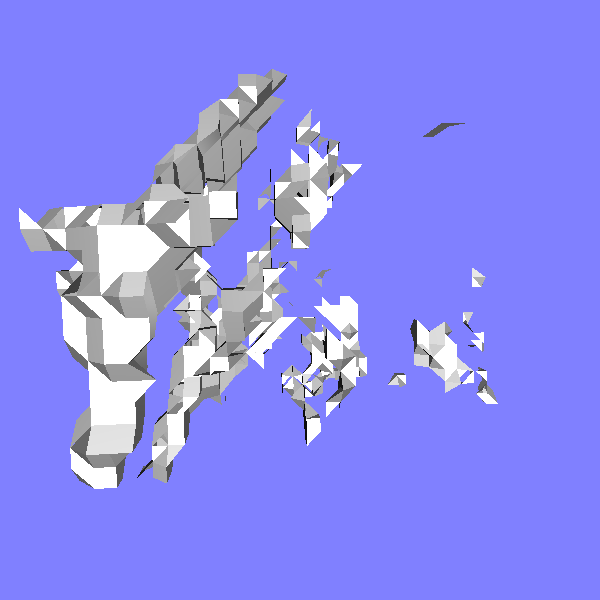
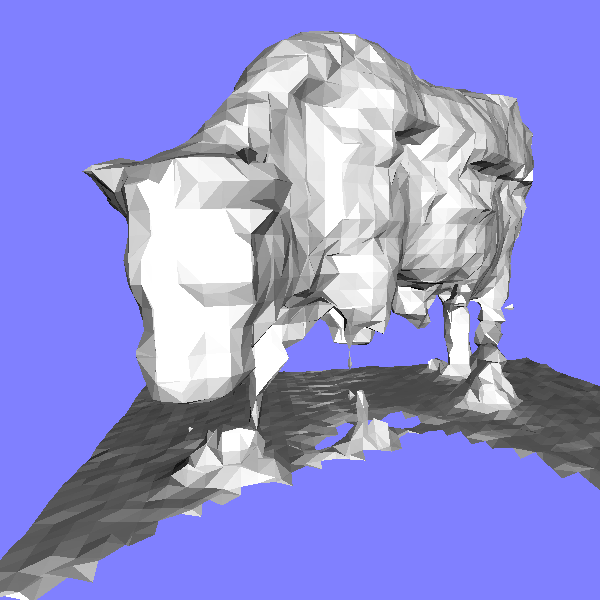
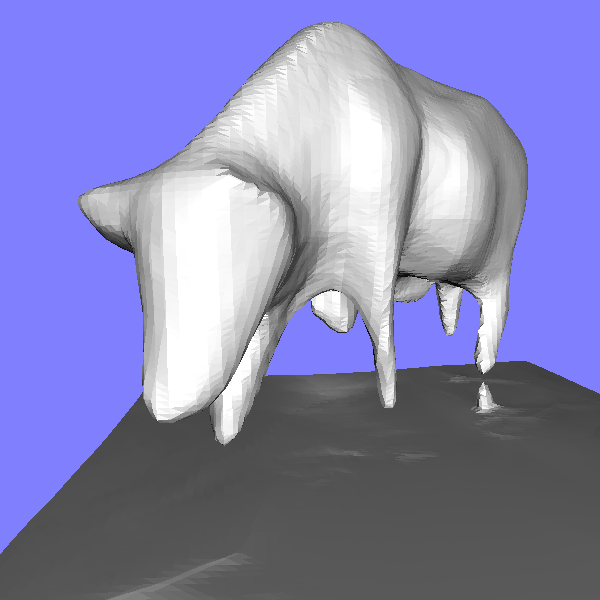
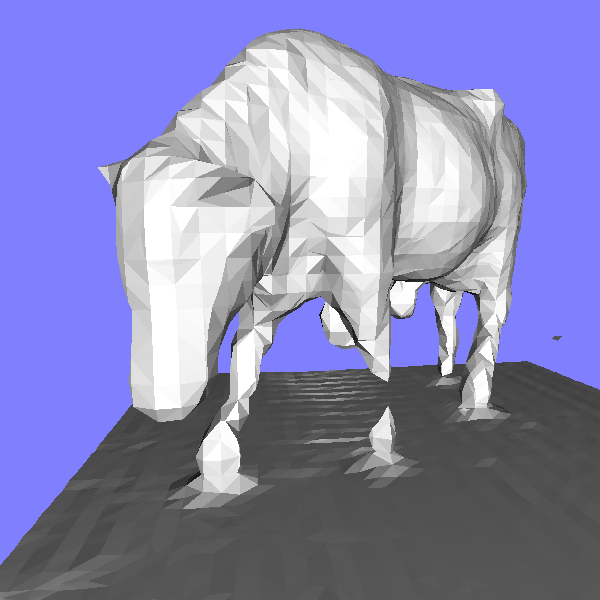
Cow & Lady
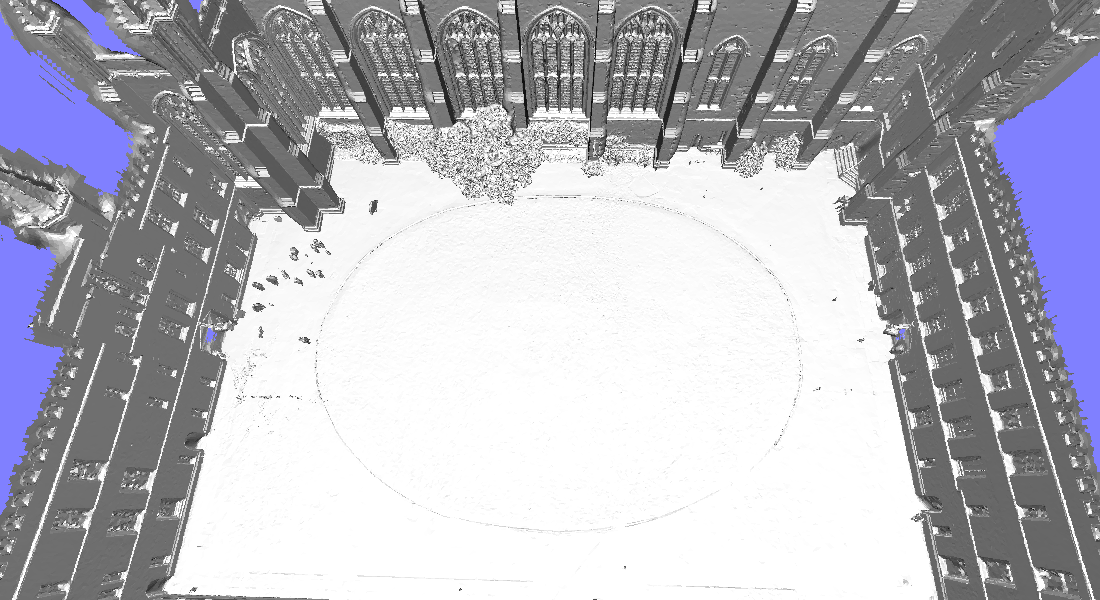
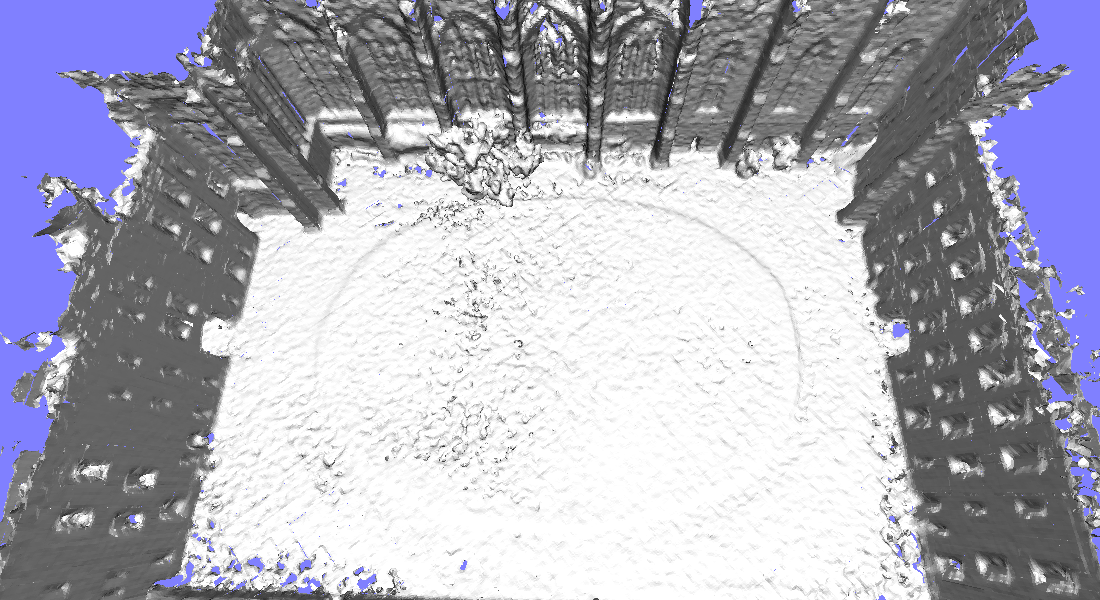
Newer College
@article{dai2026kernelsdf,
title={Kernel-SDF: An Open-Source Library for Real-Time Signed Distance Function Estimation using Kernel Regression},
author={Dai, Zhirui and Fan, Tianxing and Amani, Mani and Seo, Jaemin and Lee, Ki Myung Brian and Oh, Hyondong and Atanasov, Nikolay},
journal={IEEE Robotics and Automation Letters},
year={2026},
publisher={IEEE},
}
This work was supported by ARL DCIST CRA W911NF-17-2-0181, NSF FRR CAREER 2045945, the Ministry of Trade, Industry, and Energy (MOTIE), Korea, under the Strategic Technology Development Program supervised by the Korea Institute for Advancement of Technology (KIAT) [Grant No. P0026052], and the Korea Institute of Planning and Evaluation for Technology in Food, Agriculture, Forestry (IPET) through the Smart Farm Innovation Technology Development Program, funded by the Ministry of Agriculture, Food and Rural Affairs (MAFRA) (RS-2025-02219411).